
Manufacturing sites rarely have static storage needs. That’s often due to shifts in inventory levels, changes to production lines, and temporary overflow. When space gets tight, storage container rentals offer a practical way to stay organized without reworking your entire facility.
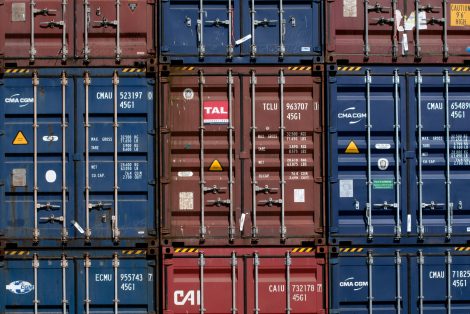
The challenge is choosing the right type and size of storage container for how your operation actually runs. Below are seven common storage container options manufacturing teams use, along with where each tends to fit best.
1. 10-Foot Storage Containers: Compact Storage
Smaller containers like a 10-foot storage container are often used when space is limited or when storage needs to sit close to active work areas. On a manufacturing site, that usually means tools, small parts, or job-specific materials. They’re easier to position near production lines, which reduces time spent walking back and forth.
2. 20-Foot Storage Containers: The Go-To Option
The 20-foot shipping container is the most common choice across manufacturing environments. It offers enough space for palletized materials, equipment, or overflow inventory without taking up excessive room on-site.
This size works well when storage needs are consistent but not overwhelming. It’s often placed near loading areas or staging zones where materials move in and out regularly.
3. 40-Foot Storage Containers: Bulk Storage and Overflow
When storage demands increase, whether due to seasonal production or large incoming shipments, larger containers become more practical.
A 40-foot storage container can handle bulk inventory or long-term storage without requiring multiple smaller units. That said, placement becomes more important. These containers need adequate clearance for delivery and access, which can be a limiting factor on tighter sites.
4. High Cube Containers: More Vertical Space
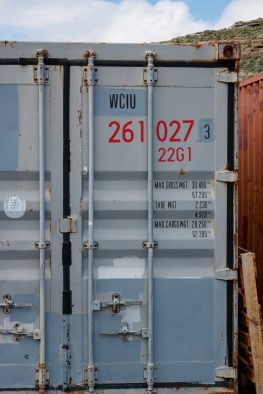
Some manufacturing operations don’t just need more space…they need more vertical space. High cube containers provide additional height, which can make a difference when storing taller equipment or stacking materials.
They’re often used in facilities where maximizing cubic space is more important than expanding the footprint.
5. Side-Opening Containers: Easier Access
Standard containers open at the end, which works well for long-term storage but can slow things down when items need to be accessed frequently.
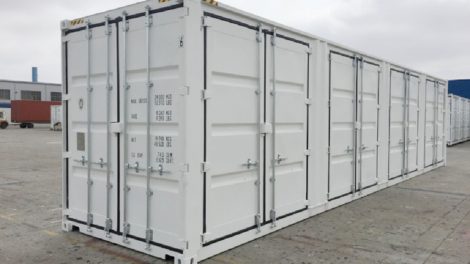
Side-opening containers allow full access along the length of the unit. On manufacturing sites where materials are moved in and out throughout the day, this can simplify workflows and reduce handling time.
6. Ground-Level Storage Containers
Not every site is set up for forklift loading or ramp access. Ground-level containers sit lower to the ground, making them easier to load by hand or with smaller equipment. They’re often used for tools, maintenance supplies, or items that need to be accessed quickly without additional setup.
7. Multiple Container Configurations: Scaling with Demand
Sometimes one container isn’t enough, but that doesn’t mean jumping straight to the largest size. Many manufacturing sites use a combination of container sizes to match different needs across the facility.
For example, a smaller unit near production might hold tools and parts, while a larger container nearby handles overflow inventory. This approach keeps materials closer to where they’re used rather than centralizing everything in one place.
Choosing the Right Manufacturing Site Storage Container
The right storage container depends less on capacity alone and more on how your team interacts with it.
If access is constant, storage container placement and door configuration matter. If storage is long-term, size and durability take priority. If your site is evolving, flexibility is of utmost importance.
It’s easy to focus on volume, but workflow tends to be more of a telltale sign of what you actually need. A container that fits your process will save more time than one that simply holds more.
Need a Storage Container?
Speak with an account manager for a free quote.
Let ZTERS Fulfill Your Manufacturing Storage Needs
Storage container rentals give manufacturing sites room to adapt without committing to permanent expansion. Whether you oversee one manufacturing site or manage multiple facilities across the nation, ZTERS is here to support you with reliable storage container rentals.
We offer a variety of different sizes along with less common options that may be well-suited for your unique needs (e.g., 12-foot, 14-foot, 16-foot, 24-foot). Availability differs by market so reach out to learn more about options in your area.
Call (888) 251-2660 for a free quote or submit a request form and we’ll get back to you with a custom solution.
FAQs
What size storage container is best for a manufacturing site?
The right size depends on what you’re storing and how often you need access. A 20-foot container is often the default choice for general use, while 40-foot containers work better for bulk storage. Smaller containers can make more sense when space is tight or materials need to stay close to production areas.
How much does it cost to rent a storage container for a manufacturing facility?
Storage container pricing varies based on container size, rental duration, and delivery distance. Get in touch with ZTERS for a no-obligation quote based on your specific needs.
How long can you rent a storage container?
Rental periods are typically flexible, starting at around one month and extending as long as needed. Some manufacturing sites use containers short-term during peak production, while others keep them on-site for ongoing storage.
Do I need a permit for a storage container at a manufacturing site?
It depends on local regulations and how long the container will remain on-site. Temporary placements on private industrial property often don’t require permits, but it’s worth checking with local authorities to avoid issues.
How quickly can a storage container be delivered?
Delivery timelines vary by market and inventory, but we may be able to complete rush delivery depending on your needs and location. Keep in mind that availability can affect delivery timeline and rush deliveries could incur additional costs.