
2026 is here. What should builders, contractors, and project owners expect for the state of the construction industry? Here’s a quick snapshot of the trends that are already set to transform the industry.
Overall, the construction industry enters 2026 with clearer signals than it had a year ago. Inflation is showing signs of slowing down, large federal funding programs are further along in deployment, and developers have adjusted expectations after several years of volatility.
Analysts project overall U.S. construction market activity to expand by about 0.4% in 2026, indicating a near-flat but positive year after several years of volatility.
2026 construction trends seem positioned to favor targeted investment, regional strength, and firms that manage cost, labor, and logistics with precision.
For a reminder of what was projected for last year, check out our 2025 construction trends post.
1. Modest Increases in Activity Take Shape
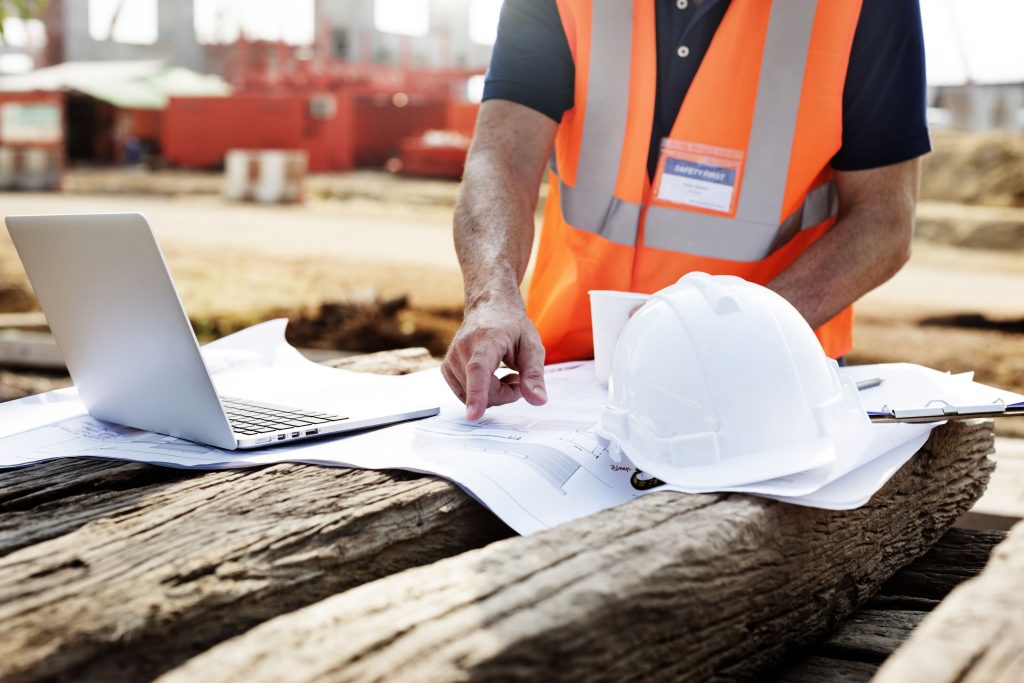
Industry forecasts broadly anticipate modest increases in construction activity across the U.S. following a slower period in 2025. Public spending continues to move through infrastructure pipelines, while private investment shows signs of stabilization in select markets. The pace varies widely by project type and geography, which places added importance on market selection and backlog visibility.
For many firms, construction in 2026 resembles a normalization year. Budgets are tighter, timelines face closer scrutiny, and project owners expect clearer justification for costs. Contractors that can demonstrate predictability and transparency stand to gain ground.
2. Infrastructure and Data Centers Drive Momentum
Infrastructure remains one of the most reliable sources of construction demand heading into 2026. Transportation improvements, utility upgrades, and energy-related projects continue to benefit from long-term federal funding commitments and state-level initiatives. These projects often span multiple years, providing steadier workloads and clearer forecasting for firms positioned to support them.
Data center construction continues to expand alongside growth in AI, cloud computing, and digital storage needs. This segment has shown resilience even during periods of broader commercial slowdown, with developers moving quickly to secure land, power access, and construction capacity. Projects in this category place high demands on scheduling, site coordination, and compliance, raising the stakes for execution partners.
3. Residential and Commercial Construction Remain Market-Dependent
Residential construction enters 2026 with mixed conditions. In some regions, population growth and housing shortages continue to support new development, particularly in parts of the Southeast and Texas. Policy activity at the federal level is also shaping long-term housing strategies.
In October 2025, the U.S. Senate passed the ROAD to Housing Act, directing the Department of Housing and Urban Development to develop best practices that give municipal governments clearer options for expanding local housing supply. While financing costs and zoning constraints still influence project feasibility, these policy efforts may gradually lower barriers for residential development in markets facing chronic housing shortages.

In a similar vein, commercial construction continues to evolve. Industrial, logistics, healthcare, and education projects are showing steady demand. Adaptive reuse projects (such as converting underutilized office buildings into residential or mixed-use spaces) are becoming a more common way to unlock value without starting from scratch.
4. Labor Availability and Cost Control Stay Central
Workforce constraints remain one of the most persistent challenges facing construction firms. Skilled labor shortages continue to influence project schedules, bidding strategies, and wage structures. While some companies report improved retention, the overall talent pipeline remains tight, particularly for experienced trades.
Material pricing has stabilized compared to earlier volatility, though exposure to tariffs, transportation costs, and supply disruptions still affects procurement decisions. Many contractors approach 2026 with more conservative estimating practices and stronger emphasis on supplier relationships to manage risk.
5. Technology Adoption Shapes Project Execution
Digital tools play a growing role in how construction projects are planned and delivered. Estimating platforms, project management software, remote monitoring, and data analytics are increasingly integrated into day-to-day operations. These tools help teams manage labor productivity, reduce rework, and maintain tighter control over timelines.
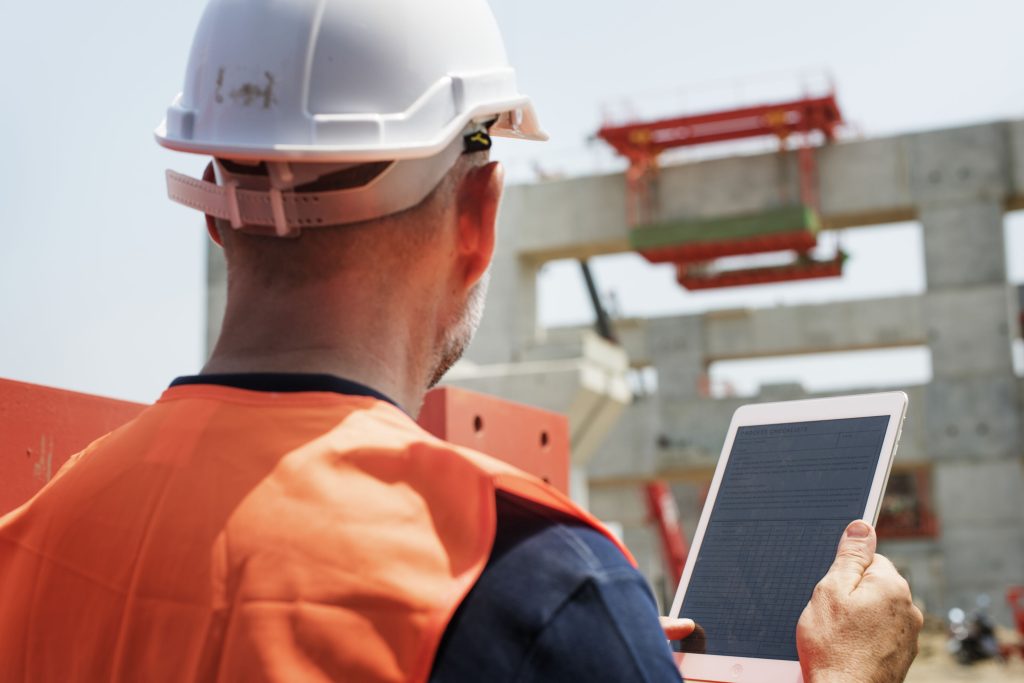
Naturally, this will continue and even escalate in the 2026 construction climate. Owners and developers increasingly expect technology-enabled reporting and coordination. Firms that invest in these capabilities tend to gain advantages in communication, documentation, and issue resolution across complex sites.
6. Risk Management Becomes a Core Competency
Economic conditions heading into 2026 encourage a cautious approach to project selection and contract structure. Interest rate movements, policy changes, and material sourcing considerations influence feasibility reviews earlier in the planning process.
Contractors and project owners alike place greater emphasis on contingency planning, phased execution, and clear scope definition.
This environment favors companies that understand their cost structure, maintain disciplined workflows, and communicate proactively when conditions shift.
What Leaders Can Take From 2026 Construction Forecasts
Construction in 2026 rewards focus. This has been true for a long time, but now more than ever, uncertainty is driving much decision-making. Firms that align with stable demand sectors, invest in workforce efficiency, and plan logistics early are better positioned to navigate a more selective market.
Regional insight, operational discipline, and reliable partners matter more than aggressive expansion. When all is said and done, projects move forward when uncertainty is managed rather than ignored.
Planning Construction Projects in 2026?
ZTERS supports construction projects nationwide with bundled site services—including construction dumpsters, temporary fencing, portable toilets, and more—that simplify logistics, improve coordination, and reduce administrative burden.
If you have projects planned for 2026 and want support that keeps schedules moving and sites running smoothly, reach out to ZTERS for a no-obligation quote.