
If you’ve ever stood over the trash can holding a dead AA thinking, “Uh…can I do this?” you’re definitely not alone. Batteries feel small, but they’re a big deal for landfills, fire safety, and the environment.
Like with the concept of “wishcycling”, a lot of people get overwhelmed by confusion and resort to just tossing batteries in their trash bins, hoping for the best. Sure, it’s immediately convenient, but the consequences are harmful.
Here’s how to dispose of batteries safely, legally, and without overthinking it. Plus, it’s important to know that rules vary from place to place, so we’re including some state/city-specific rules including those in our hometown of Houston, Texas.
Why You Can’t Just Toss Batteries in the Trash (or a Dumpster)
Most batteries contain metals and chemicals that can leak into soil and water or, in the case of lithium batteries, spark and start fires if they’re damaged or crushed.
The EPA notes that batteries may contain metals like mercury, lead, cadmium, nickel, and silver—all of which can pose a threat when they’re not managed correctly at end of life.
On top of that:
- Lithium-ion batteries (like the ones in phones, laptops, and power tools) can catch fire if they’re bent, crushed, or if terminals touch.
- Many states classify used household batteries as universal waste or household hazardous waste, with specific rules about where they can and cannot go.
From a ZTERS standpoint, batteries are considered hazardous materials and are on the list of prohibited dumpster items along with chemicals, fuels, and other hazardous waste.
So the short version: batteries never belong in your ZTERS roll-off dumpster, and many of them shouldn’t go in regular trash either.
Step 1: Figure Out What Kind of Battery You’re Dealing With
Before you decide where a battery should go, you have to know what it is. Look for labeling on the side: you’ll usually see words like “alkaline,” “lithium-ion,” “Ni-MH,” or “lead acid,” or abbreviations like Li-ion, NiCd, NiMH, or Pb. Once you know what you’re holding, the disposal rules get much clearer.
Here are the main categories:
Alkaline & zinc-carbon batteries
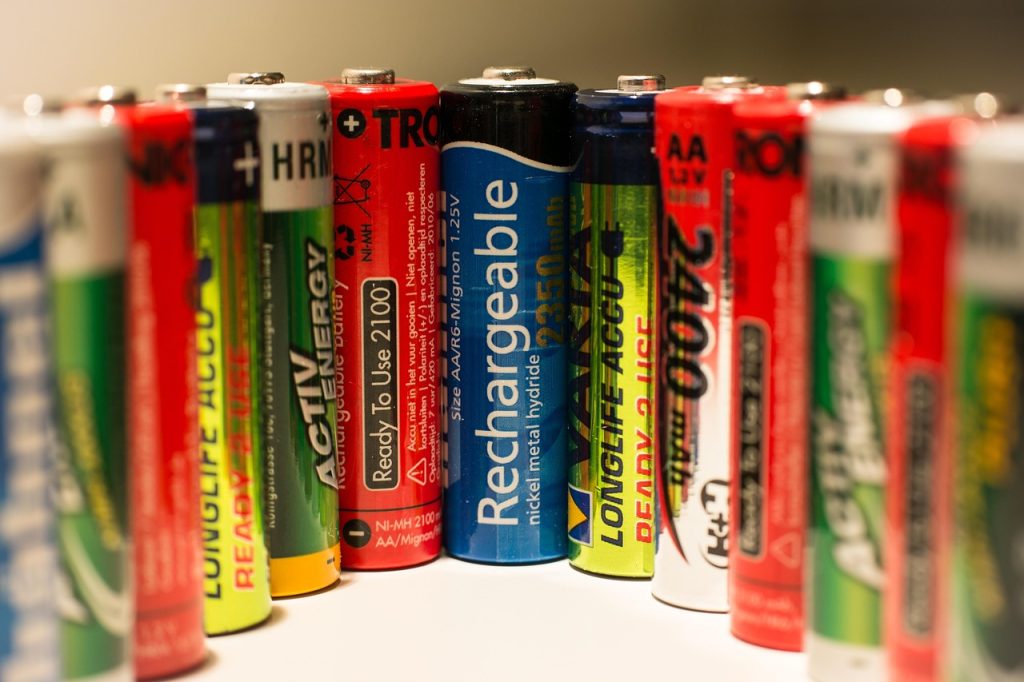
- Typical sizes: AA, AAA, C, D, 9V, etc.
- Common in remotes, toys, flashlights, clocks.
Single-use lithium & coin/button batteries
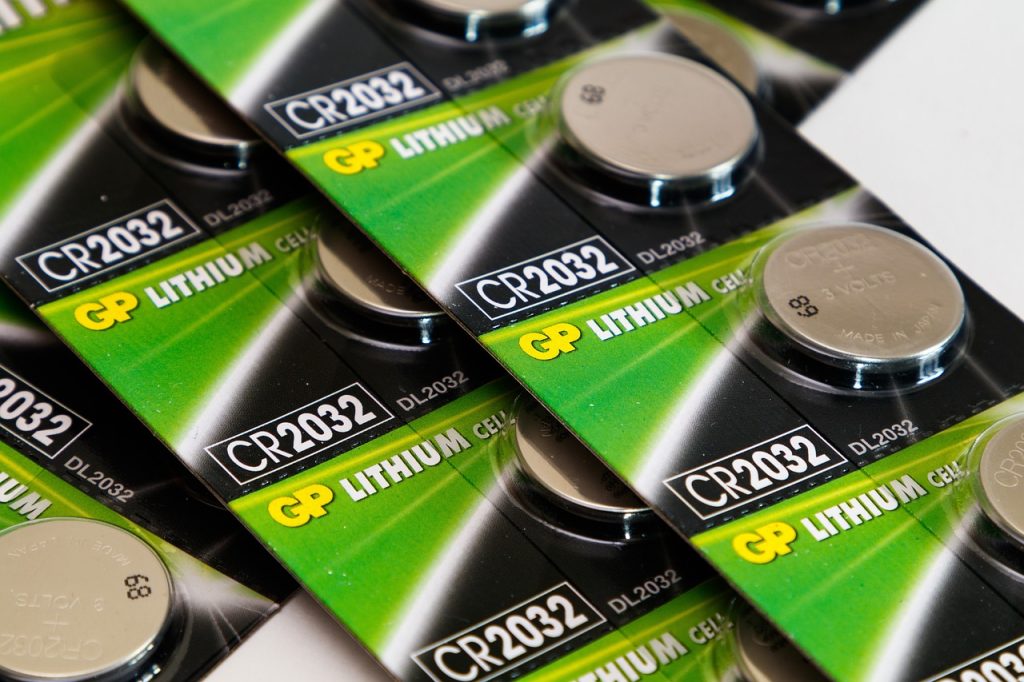
- Common in key fobs, watches, calculators, hearing aids, some remotes, small electronics.
Rechargeable batteries
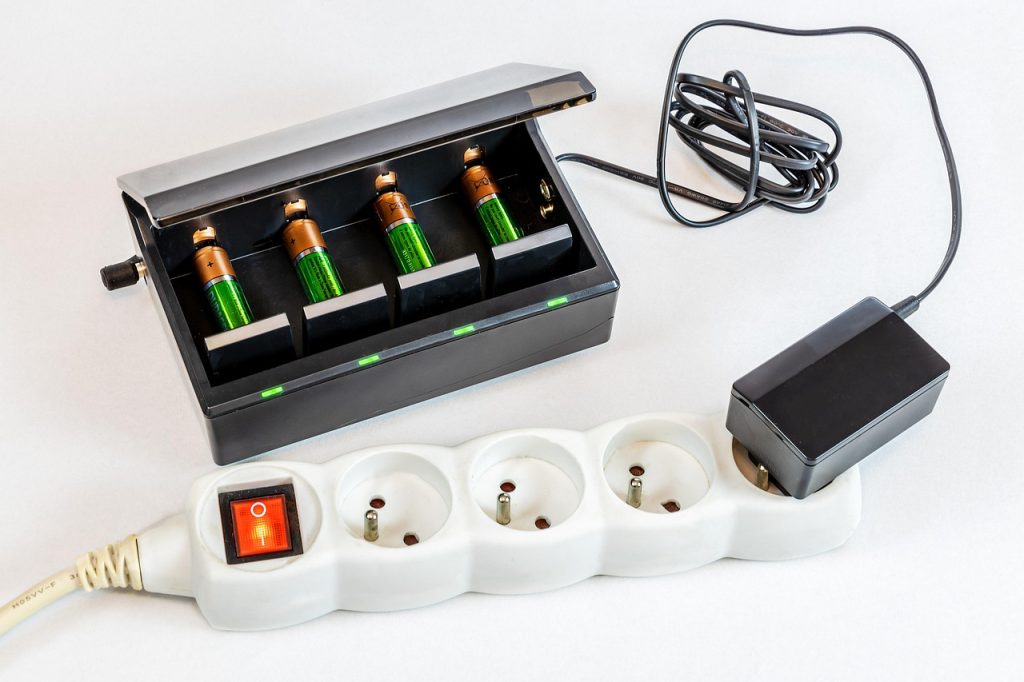
- Types: lithium-ion (Li-ion), nickel-metal hydride (Ni-MH), nickel-cadmium (Ni-Cd), small sealed lead-acid packs.
- Common in power tools, laptops, phones, cameras, kids’ ride-on cars, cordless vacuums.
Car and other large lead-acid batteries
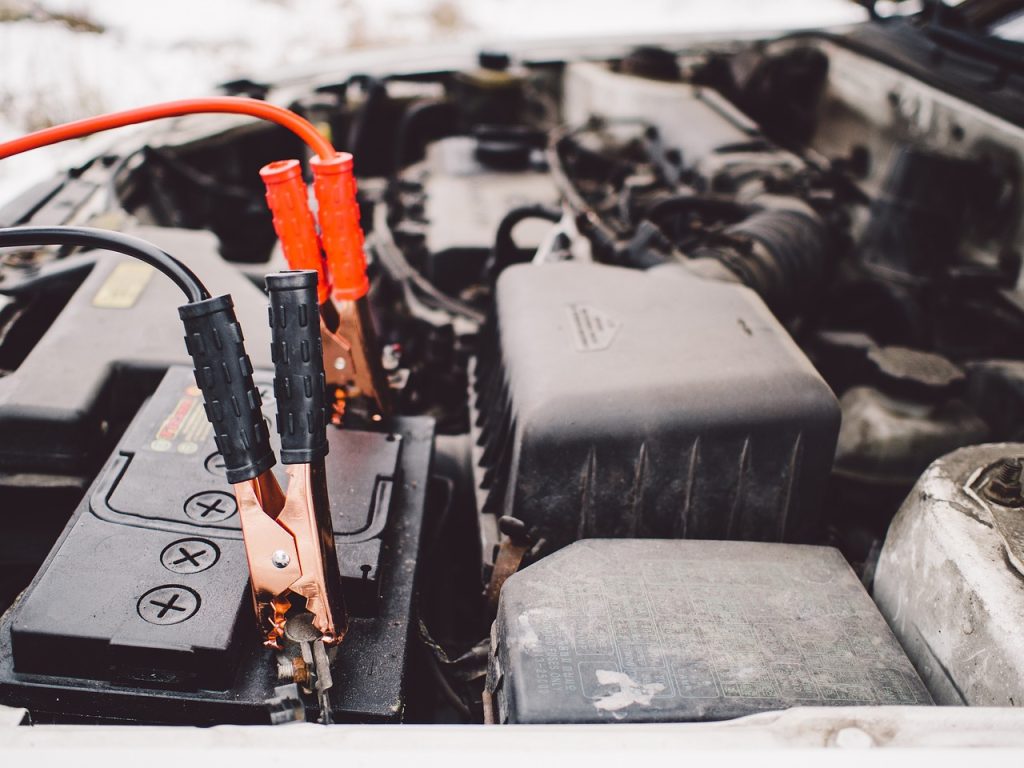
- Common in cars, boats, golf carts, backup power systems.
Electric vehicle (EV) and large energy storage batteries
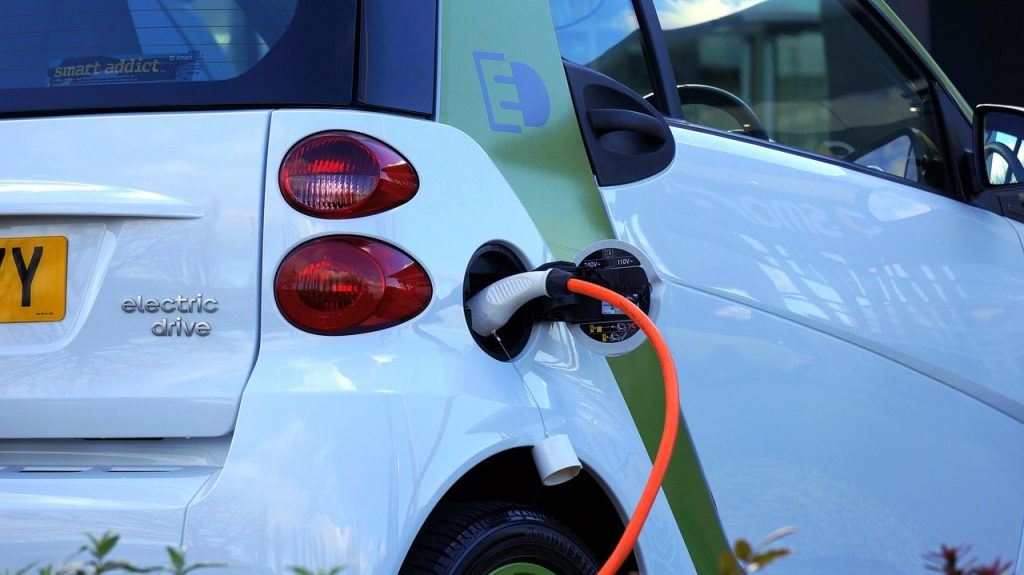
- Used in full EVs, plug-in hybrids, and home battery backup systems.
How to Dispose of Different Types of Batteries
1. Alkaline & Zinc-Carbon Batteries (AA, AAA, C, D, 9V, etc.)
What the EPA says:
- In most U.S. communities, these can legally go in household trash.
- However, the EPA still recommends sending them to recyclers or following local solid waste guidance when possible.
How this looks in specific states:
- Some states (like California) treat all household batteries as hazardous waste, so they cannot go in the trash and must go to a household hazardous waste (HHW) or universal waste program.
- Other states (like Texas) do allow them in the trash, but encourage HHW events and recycling when possible.
Best practice (for safety and simplicity):
- If you have easy access to a recycler or HHW event, take them there instead of throwing them away.
- If your local authority explicitly allows them in household trash:
- Tape the terminals on 9V or other batteries with exposed posts.
- Bag them before putting them in the bin to prevent contact that could cause heat or sparking.
And again: even if your city allows alkaline batteries in household trash, do not throw them in a ZTERS dumpster.
2. Single-Use Lithium & Coin/Button Batteries
These are small, but they’re more dangerous than they look.
- Common in key fobs, small toys, watches, hearing aids, remotes, medical devices.
- Often marked “lithium” or with a CR code (like CR2032).
They’re in need of special handling because many are lithium-based and can spark, overheat, or cause fires if damaged or if terminals touch. They’re also a swallowing hazard for kids and pets.
How to dispose of them:
- Never put them in the trash, recycling bin, or a dumpster.
- Tape the terminals or put each battery in its own small bag.
- Take them to HHW facilities, specialized battery recyclers, or retailers that accept used batteries (often via Call2Recycle drop boxes).
3. Rechargeable Batteries (Li-ion, Ni-MH, Ni-Cd, etc.)
Rechargeable batteries are considered more hazardous at end-of-life and should never go in regular trash or dumpsters. They’re a major fire risk in collection trucks and at transfer stations.
Examples:
- Cordless drill batteries
- Laptop and phone batteries
- Rechargeable AA/AAA packs
- Cordless vacuum or scooter battery packs
Where to take them:
- Many retailers accept rechargeable batteries for free:
- Home Depot, Lowe’s, Best Buy, Staples, Batteries Plus, and others participate in Call2Recycle programs.
- Local HHW facilities often accept them as universal waste.
When preparing to dispose of these batteries at a local retailer or facility, be sure to tape the terminals or place each battery in a separate bag. If a battery is swollen, leaking, or damaged, don’t toss it in your car trunk. Follow your local HHW guidance or call the facility first for special handling instructions.
4. Car, Boat, and Other Lead-Acid Batteries
These are heavily regulated because they contain both lead and corrosive sulfuric acid. To dispose of them, take them back to:
- Auto parts stores
- Battery retailers
- Mechanic shops
- Local HHW facilities
Many places give you store credit when you return an old battery while buying a new one.
Do not ever put these in trash, recycling bins, or dumpsters.
5. Electric Vehicle & Large Energy Storage Batteries
If you’re dealing with a full EV battery or a home battery pack, it’s time to call professionals. These are large, high-voltage lithium-ion batteries with specific rules for transport and recycling.
Contact the dealership, the vehicle manufacturer, or the installer of your home battery system. Don’t attempt to remove or transport these yourself unless the manufacturer explicitly says it’s safe. Even then, follow their instructions to the letter.
State Differences For Battery Disposal
Federal rules set the overall framework (e.g., the Mercury-Containing and Rechargeable Battery Management Act; universal waste rules), but states can be more strict, especially when it comes to household hazardous waste.
Example 1: Texas
In Texas, batteries are generally managed through the household hazardous waste (HHW) system and universal waste regulations. Communities are encouraged to offer HHW drop-off or collection events.
In the City of Houston:
- The city accepts lead-acid and rechargeable batteries at:
- Westpark Consumer Recycling Center
- Environmental Service Centers (North and South locations)
- Alkaline batteries (AA, AAA, C, D) are not accepted at these centers and can be placed in regular household garbage under city guidance, because most heavy metals have been removed from modern alkaline batteries.
Even if alkaline batteries are allowed in your trash, ZTERS still can’t accept any kind of battery in roll-off dumpsters because they’re considered hazardous materials from a solid waste standpoint.
If you’re in Houston:
- Take rechargeables and car batteries to city facilities or retailers like auto parts stores and big-box home improvement stores.
- Use alkaline trash disposal only if local guidelines explicitly say it’s okay. Keep them out of any rented dumpster.
Example 2: California
California classifies many household batteries as universal waste and treats them as a subset of household hazardous waste.
Key points:
- It’s illegal to throw household hazardous waste, including batteries, in the trash, down the drain, or to abandon it.
- Universal waste rules exist specifically so batteries and similar items are collected and recycled instead of sent to landfills.
- Many cities explicitly state that batteries are HHW and must be taken to an HHW facility or city drop-off site instead of the garbage can.
- Under California’s Rechargeable Battery Recycling Act, retailers that sell certain rechargeable batteries are required to accept used ones from consumers for recycling.
Where to Recycle Batteries Near You
No matter where you live, you usually have a few solid options.
1. Local government resources
- City or county solid waste pages often list:
- HHW facilities
- Special collection events
- Accepted materials and limits
2. Online locators
- Earth911 – search by material (“batteries”) and ZIP code.
- Call2Recycle – focuses on rechargeable and some single-use batteries; partners with major retailers nationwide.
3. Retail drop-off programs
- Many big-name stores like Home Depot, Lowe’s, Best Buy, Staples, Batteries Plus, and others participate in battery recycling programs.
4. Auto parts stores & dealerships
- AutoZone, O’Reilly Auto Parts, and similar retailers typically accept old lead-acid car batteries when you buy a new one.
Safety Tips Before You Drop Off Batteries
No matter where your batteries are headed, prep them properly:
- Tape the terminals
- Especially on lithium, 9V, button cells, and rechargeable packs.
- Use non-conductive tape (like electrical tape) to prevent short circuits.
- Bag batteries individually or by type
- Place each one in a small plastic bag, or group similar batteries together with taped terminals.
- Place each one in a small plastic bag, or group similar batteries together with taped terminals.
- Never crush, puncture, or disassemble a battery
- Damaged lithium-ion batteries can vent, leak, or ignite.
- Damaged lithium-ion batteries can vent, leak, or ignite.
- Store them in a cool, dry place while you collect a batch
- Keep away from metal tools and flammable materials.
Can I Put Batteries in a ZTERS Dumpster?
No. Roll-off dumpster rentals do not accept batteries of any kind. They’re grouped under hazardous or restricted materials along with things like chemicals, fuel, and certain electronics.
Here’s how to handle batteries around a dumpster project:
- Before you toss debris: Pull out batteries from remotes, toys, electronics, power tools, and vehicles. Set them aside in a safe container for recycling.
- Use the dumpster for everything else: Once batteries and other hazardous materials are separated, the dumpster is ideal for construction debris, household junk (within local rules), and project waste.
Need help planning a cleanout or jobsite? ZTERS can help you choose the right dumpster size and talk through what can and can’t go in it. For tricky items (like batteries, paint, or chemicals), your ZTERS account manager can point you toward safer disposal options in your area.
FAQs About Battery Disposal
Can I throw away alkaline batteries?
Sometimes. The EPA notes that in many communities, alkaline and zinc-carbon batteries can be put in household trash, but recommends contacting your local solid waste authority and using recyclers when possible. In states like California, throwing them in the trash is illegal; they must go to HHW or universal waste programs.
Does Home Depot really recycle batteries?
Yes, many Home Depot locations have drop bins for certain types of batteries, usually rechargeables, through Call2Recycle and similar programs.
What should I do with batteries that are built into devices?
If the battery isn’t easily removable:
- Treat the entire device as electronic waste.
- Bring it to an e-waste recycler, participating retailer, or HHW event.
Are batteries really that big of a fire risk?
Yes. Lithium-ion and other rechargeable batteries can still hold enough energy to overheat and ignite when crushed or compacted in trash trucks and at facilities. That’s why both the EPA and many local agencies warn against putting them in trash or traditional recycling bins.
TL;DR
When you want to throw away batteries, keep them out of the dumpster or household trash can. Instead, use HHW, retailers, or specialized recyclers. Check Earth911 for recycling centers near you. Do your part to dispose properly and we all benefit!