
A home renovation can be incredibly rewarding, but it can also turn into a money pit if you’re not careful. Ask almost any homeowner and they’ll tell you the same thing: something didn’t go as planned.
From blown budgets to design regrets, many renovation mistakes are common, avoidable, and learned the hard way. Don’t become a part of the statistic: nearly 75% of homeowners regret some aspect of their renovations!
This guide breaks down the top 10 home renovation mistakes to avoid so you can plan smarter, stress less, and finish your project with fewer regrets.

1. Not Setting a Realistic Budget (and Sticking to It)
One of the most common renovation mistakes is underestimating costs or worse, not setting a firm budget at all. Many homeowners focus on big-ticket items like cabinets or flooring, while forgetting about permits, demolition, disposal, labor overruns, and material price fluctuations.
Renovations almost always uncover surprises: outdated wiring, water damage, uneven subfloors. Without a buffer, these surprises can force you to downgrade finishes or pause the project entirely.
How to avoid it: Build a detailed budget that includes labor, materials, permits, and disposal. Add a 10–20% contingency fund on top of that for unexpected issues.
2. Assuming the Timeline Will Go as Planned
Even well-organized renovations take longer than expected. Materials get delayed, inspections take time, and contractors juggle multiple jobs. It’s not the wisest choice to plan vacations, move-ins, or major life events around “best case” timelines that don’t account for real-world delays.
Rushing the process to stay on schedule can lead to sloppy workmanship or rushed decisions you’ll regret later.
How to avoid it: Plan for delays from the start. If your kitchen renovation is estimated at eight weeks, assume ten — and make living arrangements accordingly.
3. Choosing the Cheapest Contractor
It’s tempting to go with the lowest bid, especially when renovation costs add up quickly. But many homeowners regret hiring contractors who cut corners, lack proper licensing, or fail to communicate clearly. Low bids often exclude important line items, leading to surprise costs mid-project or worse…unfinished work.
How to avoid it: Compare multiple bids, ask detailed questions, check licenses and insurance, and review recent projects. A fair price with transparency beats the cheapest quote every time.
4. Skipping Permits and Inspections
Skipping permits might seem like a way to save time or money, but it’s a risky move. Unpermitted work can cause major problems during inspections, insurance claims, or when selling your home.
Homeowners often regret ignoring permits when they’re forced to redo work or face fines after the fact. And there may be permits you didn’t even consider… like dumpster permits!
How to avoid it: Research local building codes before starting. Permits are usually required if your renovation involves electrical, plumbing, or structural changes.
5. Starting Without a Fully Thought-Out Plan
Changing your mind mid-renovation is expensive. Many homeowners regret not finalizing layouts, materials, or finishes before demolition begins. Small indecisions add up when contractors are waiting for answers and materials need to be reordered.
How to avoid it: Finalize designs, measurements, materials, and finishes before work starts. Vision boards and samples help, but decisions should be locked in early.

6. Designing for Trends Instead of Longevity
Trendy finishes may look great on social media, but they don’t always age well. It’s not uncommon for homeowners to regret ultra-bold tiles, highly specific color palettes, or novelty fixtures that feel dated within a few years.
How to avoid it: Choose timeless materials for permanent features like flooring and cabinetry. Save trends for paint, hardware, or décor that can be changed easily.
7. Prioritizing Looks Over Function
A renovation that photographs well but functions poorly is a common regret. Homeowners frequently complain about lack of storage, awkward layouts, insufficient lighting, or outlets placed in the wrong spots.
Also, keep in mind that inspiration platforms like Pinterest are increasingly overrun with AI imagery. Sometimes, these images are really hard to identify as machine-made. That “perfect” kitchen you’re dreaming about might not be feasible in real life.
How to avoid it: Think through how you’ll use the space daily. Consider storage needs, lighting layers, traffic flow, and maintenance before finalizing design choices.
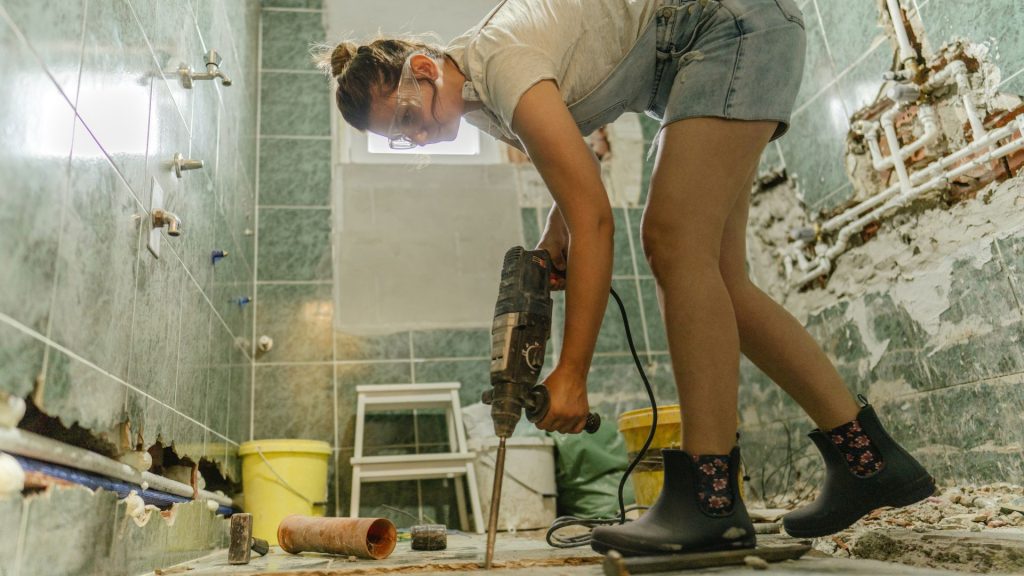
8. Taking on Too Much DIY
DIY can save money… until it doesn’t. Many homeowners regret attempting electrical, plumbing, or structural work without the proper skills, leading to safety issues or expensive corrections later.
If you are going to take on a lot yourself, ensure you know some best practices for DIY projects and have the home improvement tools you need on hand to avoid delays or damage.
How to avoid it: DIY cosmetic updates if you’re confident, but leave code-related, structural, or safety-critical work to licensed professionals.
9. Overlooking Small Details That Matter Long-Term
Details like grout color, cabinet hardware placement, lighting temperature, and material durability often get overlooked. These “small” decisions can become daily annoyances once the renovation is complete. Attention to detail can really make or break the outcome of your project.
How to avoid it: Test samples in your actual space and think about maintenance, cleaning, and wear over time.
10. Designing for Everyone Except Yourself
Many homeowners regret designing based on resale value, trends, or outside opinions rather than their own lifestyle. A renovation should support how you live, not just how it looks online.
How to avoid it: Balance resale considerations with personal needs. If you plan to live in the home long-term, prioritize comfort, functionality, and preferences that make sense for you.
Quick Summary: Home Renovation Mistakes to Avoid
| Mistake | Why It’s a Problem | How to Avoid It |
| Skipping a realistic budget | Leads to overspending or unfinished projects | Add a detailed budget + contingency fund |
| Underestimating timelines | Causes stress and rushed decisions | Plan for delays from the start |
| Hiring the cheapest contractor | Can result in poor quality or surprise costs | Vet contractors thoroughly |
| Ignoring permits | Risks fines and resale issues | Research local requirements early |
| Poor planning | Causes costly mid-project changes | Finalize decisions before demo |
| Chasing trends | Designs can feel dated quickly | Stick to timeless core elements |
| Ignoring functionality | Leads to daily frustrations | Design for real-life use |
| Too much DIY | Safety and code issues | Know when to hire pros |
| Missing small details | Creates long-term annoyances | Test materials and finishes |
| Designing for others | Results in regret | Design for your lifestyle |
Keep Your Renovation Site Running Smoothly
A successful renovation is as much about design as it is about logistics!

If you’re managing a home renovation, rely on ZTERS for dependable, nationwide temporary site services to keep your project clean, safe, and organized, including portable toilets, dumpsters, junk removal, and temporary fencing. It’s one less thing to worry about while your renovation gets underway.
Happy renovating!