
Litter affects how a community looks, how it functions, and how people feel about the place they live. From childhood, we’re taught that it’s important to pick up after yourself and many of us know the adage: “leave it better than you found it”.
Unfortunately, littering still happens. Trash left on sidewalks, in parks, or around businesses often becomes a persistent issue rather than a one-time problem.

Addressing it requires more than reminders to “do better.” It requires practical systems, shared responsibility, and realistic solutions. This guide breaks down why littering happens, what actually reduces it, and how communities can make lasting improvements.
Check out our other posts on sustainability to learn more about reducing waste and making more eco-conscious choices.
Why Littering Happens in the First Place
Most littering does not come from people making deliberate choices to damage their surroundings. It usually stems from everyday gaps in infrastructure, habits, and oversight.
Access and Convenience
When trash cans are too far apart, hard to see, or already full, people are more likely to leave waste behind. Research from the U.S. Environmental Protection Agency (EPA) shows that availability and placement of disposal options strongly influence litter behavior.
Overflow and Wind-Scattered Waste
In commercial areas, litter often starts with overfilled dumpsters or unsecured trash. Once waste escapes a container, it spreads quickly through wind, foot traffic, and animals. What begins behind a building can end up across an entire block.
Visual Cues and Environment
People tend to mirror their surroundings. Areas that already appear neglected are more likely to accumulate additional litter. Clean spaces tend to stay cleaner because they signal shared standards and accountability.
The Impact of Litter on Communities
Environmental Harm
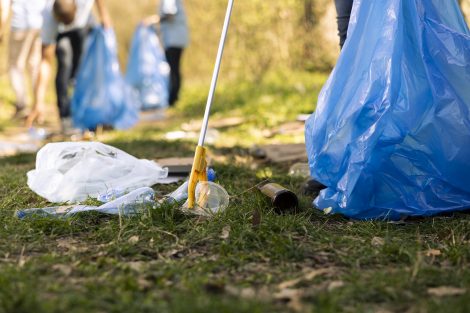
Litter introduces plastics and debris into waterways, soil, and wildlife habitats. The NOAA Marine Debris Program documents how common items like food packaging and cigarette filters affect ecosystems long after they are discarded.
Public Costs and Maintenance
Cities and property owners spend significant resources on cleanup. Keep America Beautiful estimates that litter removal costs U.S. communities hundreds of millions of dollars each year.
Community Perception
Persistent litter influences how residents and visitors perceive a neighborhood. It can discourage foot traffic, reduce local engagement, and create frustration for people who care about their surroundings.
Practical Ways to Reduce Litter in Your Community
1. Place Trash and Recycling Where People Actually Need Them
High-traffic areas need visible, well-maintained waste containers. That includes entrances to parks, bus stops, parking lots, and areas near food vendors. Covered bins reduce wind scatter and animal interference.
Regular servicing matters as much as placement. A full bin often leads to trash being set beside it, which quickly turns into loose litter.
2. Address Overflow at the Source
In many commercial districts, litter is tied to waste volume exceeding container capacity. Businesses may need larger dumpsters, more frequent pickups, or seasonal adjustments.
A waste assessment can identify patterns such as:
- Pickup schedules that no longer match foot traffic
- Containers that fill before service day
- Recyclables being diverted into trash due to lack of options
ZTERS works with businesses and property managers to align waste services with actual usage, helping reduce overflow that contributes to surrounding litter. This kind of adjustment often improves cleanliness without requiring major changes from the community.
3. Organize Community Cleanups
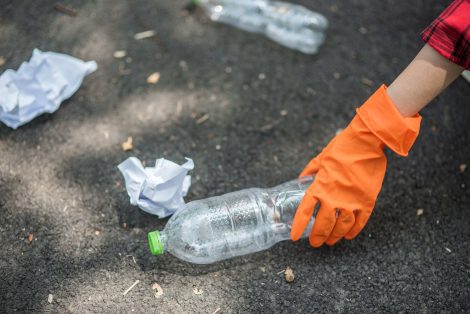
Cleanups remove existing litter and reset the environment. They also increase awareness and shared ownership. Programs supported by organizations like Keep America Beautiful provide materials and structure for neighborhood efforts.
Even small, recurring cleanups can shift how a space is treated over time! Plus it’s a great opportunity to get out and connect with others in your community.
4. Educate Through Visibility, Not Just Messaging
Signage works best when it reinforces behavior people already want to follow. Clear labels on bins, simple disposal reminders, and school-based programs help build consistency. Public education is more effective when paired with easy access to disposal options. When systems support the message, compliance increases naturally.
5. Enforce Litter Policies Consistently
Local ordinances matter when they are applied fairly and predictably. Enforcement works best alongside education and infrastructure improvements. Communities that combine these approaches tend to see longer-lasting reductions in litter.
Examples of Successful Litter Reduction Efforts
Programs that focus on systems rather than blame tend to be more durable.
- Adopt-a-Block programs encourage residents and businesses to take responsibility for specific areas, creating accountability and routine maintenance.
- Targeted waste audits in downtown corridors help cities identify where overflow originates and adjust services accordingly.
- School partnerships introduce early habits that carry into adulthood.
Together, We Can Reduce Littering
Litter reduction works best when communities focus on prevention, access, and maintenance rather than one-off fixes. In other words, systematic change is much more effective in the long-term than bandaid solutions are.

Clean environments tend to stay that way when waste systems are aligned with real-world use and people have clear, convenient options for disposal. Addressing the root causes creates cleaner streets, healthier environments, and communities people are proud to take care of.
Consider taking part in local litter cleanup programs, and learning more about how you can help institute lasting change in your community.
Frequently Asked Questions
What counts as litter?
Any waste left in public or private spaces without proper disposal, including packaging, food waste, and cigarette butts.
Does increasing trash pickup reduce litter?
In many cases, yes. Overflow often leads to secondary litter. Matching service frequency to actual waste volume can significantly reduce spillover.
Who is responsible for preventing litter?
We all are! Residents, businesses, property managers, and municipalities all play a role. Effective solutions usually involve coordination among these groups.
How can businesses help reduce litter around their property?
By ensuring dumpsters are adequately sized, lids remain closed, and pickups occur before overflow happens. Regular monitoring (through dumpster camera technology or other means) helps prevent problems before they spread.